 OILTRADING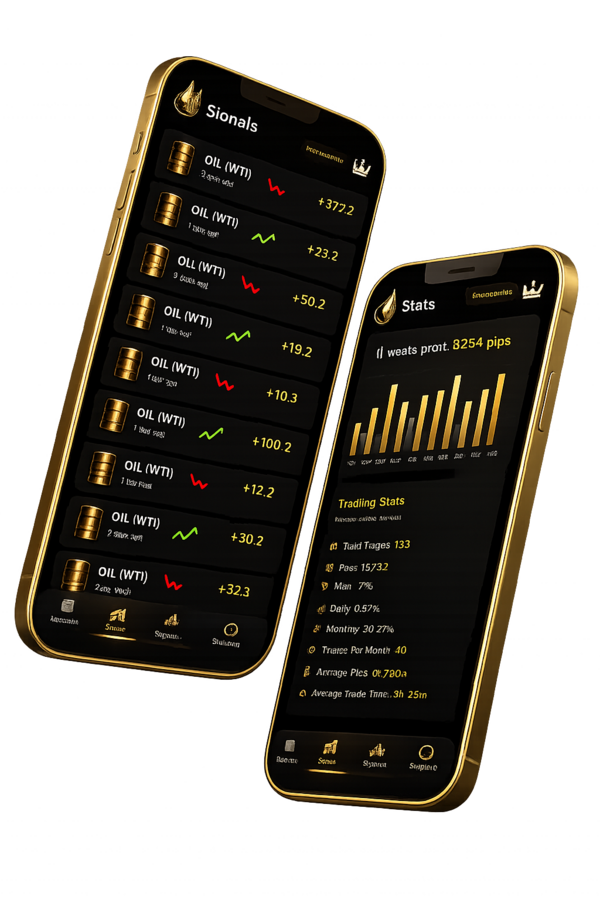
Upcoming events that move oil.
FOMC Interest Rate Decision
Rate hold, cut, or hike - sets the direction for USD and oil for weeks
US CPI (Consumer Price Index)
Primary inflation gauge - surprises move oil $20-$50 intraday
Non-Farm Payrolls (NFP)
Jobs data shifts Fed rate expectations - oil reacts within seconds
US PPI (Producer Price Index)
Leading indicator for CPI - wholesale inflation signals future retail prices
Fed Chair Speech
Forward guidance moves markets - hawkish tone kills oil, dovish lifts it
JOLTS Job Openings
Labor market slack indicator - weaker data supports oil via rate cut bets
US GDP (Quarterly)
Growth vs recession signal - weak GDP is bullish for oil
US Retail Sales
Consumer spending proxy - weakness supports safe-haven flow to oil
Key events explained.
FOMC Decision
The Federal Open Market Committee sets US interest rates eight times per year. A rate cut reduces the opportunity cost of holding oil (which pays no yield) and weakens the USD - both powerfully bullish for oil. Conversely, a rate hike strengthens the dollar and makes bonds more attractive than gold. The statement language and dot plot projections often matter more than the actual rate decision. Traders should watch for phrases like "data dependent," "restrictive for longer," or "prepared to adjust" - these forward-guidance cues move oil more than the headline rate.
Non-Farm Payrolls (NFP)
Released on the first Friday of every month at 8:30 AM ET, NFP is the most-watched employment report in the world. A strong NFP number (above consensus) signals economic strength, supporting the dollar and pressuring oil lower. A weak number raises recession fears and Fed cut expectations, boosting gold. The initial spike is often followed by a reversal - experienced oil traders wait 15-30 minutes for the "real" direction to emerge. Also watch the unemployment rate and average hourly earnings components.
US CPI (Inflation)
The Consumer Price Index is the primary inflation measure that drives Fed policy expectations. Hot CPI (above consensus) initially strengthens the dollar and can push oil down, but persistent high inflation ultimately supports oil as an inflation hedge. Cool CPI readings boost oil by pricing in earlier rate cuts. The Core CPI (excluding food and energy) is the number that matters most. Month-over-month changes of ±0.1% vs expectations can move oil $20-$40. The shelter component has been the stickiest element in recent years.
Fed Chair Speeches
Jerome Powell speaks at press conferences after each FOMC meeting and at various economic conferences throughout the year. His word choices are scrutinized intensely: "patient" signals no rush to cut rates (bearish oil), while "risks are balanced" can hint at upcoming policy shifts (bullish oil). Jackson Hole in August and the semi-annual Congressional testimony are particularly high-impact events. The Q&A portion of press conferences often generates the biggest moves as journalists probe for specifics.
How to trade oil around events.
1. Pre-event: reduce risk or stay flat
If you have open positions, consider reducing your size by 50% or tightening stops before a high-impact event. Spreads often widen 5-10 minutes before major releases, and slippage risk increases dramatically. Many profitable oil traders simply avoid the first 15 minutes of high-impact releases entirely.
2. Post-event: trade the follow-through, not the spike
The initial 1-5 minute reaction to news is often chaotic - stop hunts, liquidity grabs, and false breakouts are common. Wait for a clear 15-minute or 1-hour candle to close, then trade in the direction of the follow-through. This approach sacrifices some of the move but drastically improves your win rate.
3. Use the deviation from consensus as your edge
Markets price in expectations. Oil doesn't move on whether CPI is "high" or "low" - it moves on whether CPI is higher or lower than expected. Before every release, know the consensus forecast and prepare scenarios: what happens if actual beats by 0.1%? What if it misses by 0.2%? Pre-planned reactions beat emotional ones.
Don't trade blind during events. OilTrading signals adjust for upcoming releases.
Trade oil during economic events.
See how OilTrading signals fire when NFP, CPI, and FOMC move oil.
Calendar FAQ
Which economic events move oil the most? +
FOMC rate decisions produce the largest moves ($30-$80). US CPI and Non-Farm Payrolls are next ($15-$50). Fed Chair speeches, GDP, PPI, and JOLTS also create significant volatility.
When is the next FOMC meeting? +
The FOMC meets ~8 times per year. Check the Federal Reserve's official calendar for exact dates. Markets begin pricing expectations days before, so preparation should start early.
Should I close oil trades before news events? +
Depends on strategy. Swing traders often keep positions with wider stops. Scalpers typically close before high-impact events. A common approach is reducing size by 50% ahead of major releases.
How do I use this calendar for oil trading? +
Mark high-impact events (FOMC, CPI, NFP). Before each event, understand the consensus. If the actual result deviates significantly, oil will move. Plan entries around events - either trading the breakout or waiting for the reaction to settle.
Never miss a oil event.
Get signals before, during, and after market-moving events. Download free.