 OILTRADING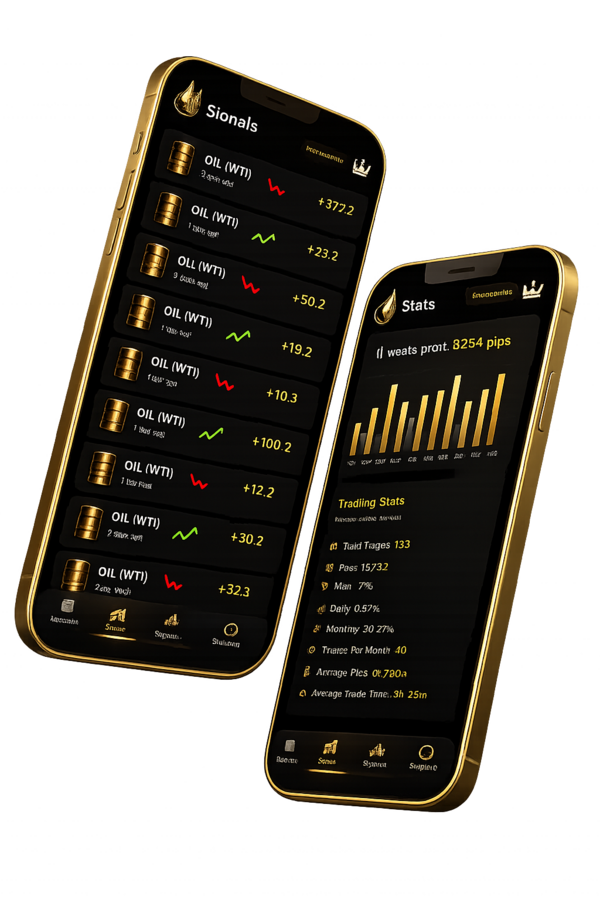
What's moving oil now.
Live feed from Kitco, FXStreet, and Investing.com. Auto-categorized with oil impact analysis.
Get trading signals when these stories move oil.
What moves oil prices.
Oil doesn't move randomly. Four categories of events drive virtually every significant oil price move in WTI and Brent crude oil. Understanding these helps you anticipate - not just react.
Geopolitics
Wars, sanctions, shipping disruptions, and producer conflicts move crude oil when events threaten global supply chains or energy infrastructure. The 2022 Russia-Ukraine invasion sent Brent crude above $120 within weeks.
Supply Policy
OPEC+ quotas, voluntary cuts, and US shale production changes create structural supply shifts. A surprise cut can tighten WTI and Brent crude balances quickly, while quota increases or weak compliance can pressure prices.
Economic Data
US CPI, Non-Farm Payrolls, GDP, and PPI releases move oil by shifting expectations for Fed policy. A hot CPI can initially hurt oil (stronger dollar) but may also support it (inflation hedge). Weak jobs data typically boosts oil by pricing in rate cuts.
Market Sentiment
When growth expectations change, crude oil reacts through demand forecasts. Equity selloffs, recession fears, and sudden risk-off periods can pressure WTI, while stronger industrial activity can lift demand expectations and oil prices.
Get signals when oil moves.
Don't wait to read the news - let oil tell you. OilTrading sends real-time trading signals with exact entry, stop-loss, and take-profit levels the moment a high-probability setup forms.
Oil news FAQ
What news moves the oil price? +
Oil prices are most sensitive to EIA inventory reports, OPEC+ decisions, geopolitical supply disruptions, US dollar strength, inflation data, and growth indicators. Surprise crude oil inventory draws, production cuts, or supply shocks produce the largest single-day moves in WTI and Brent.
How quickly does oil react to news? +
Oil reacts within seconds to major inventory data releases and breaking geopolitical events. High-impact news like EIA crude oil inventories or OPEC+ decisions can move USOIL 100-300 cents within minutes. Geopolitical events tend to produce sustained moves over hours or days.
Where can I get real-time oil news? +
OilTrading delivers real-time trading signals triggered by market-moving events. For raw news, traders use Reuters, Bloomberg, ForexFactory, and TradingView's news feed. The key is understanding whether news is bullish or bearish for oil - which is what our signals provide.
Should I trade oil during news events? +
Trading during high-impact news carries elevated risk due to volatility spikes, widened spreads, and slippage. Many experienced traders wait 5-15 minutes after a release for the reaction to settle, then trade the follow-through. OilTrading signals account for upcoming events and adjust risk accordingly.
Trade the news smarter.
Real-time USOIL signals with entry, SL, and TP. Download free.